Quick verdict
The short answer
MAJGULL is sold as a blackout pair with a multi-way heading and washable polyester fabric. Measure for generous overlap and verify the exact blackout article, because similarly named room-darkening versions also exist.
Best for: Bedrooms with standard-height windows; Renters using an existing rod or track; People willing to hem for a better fit.
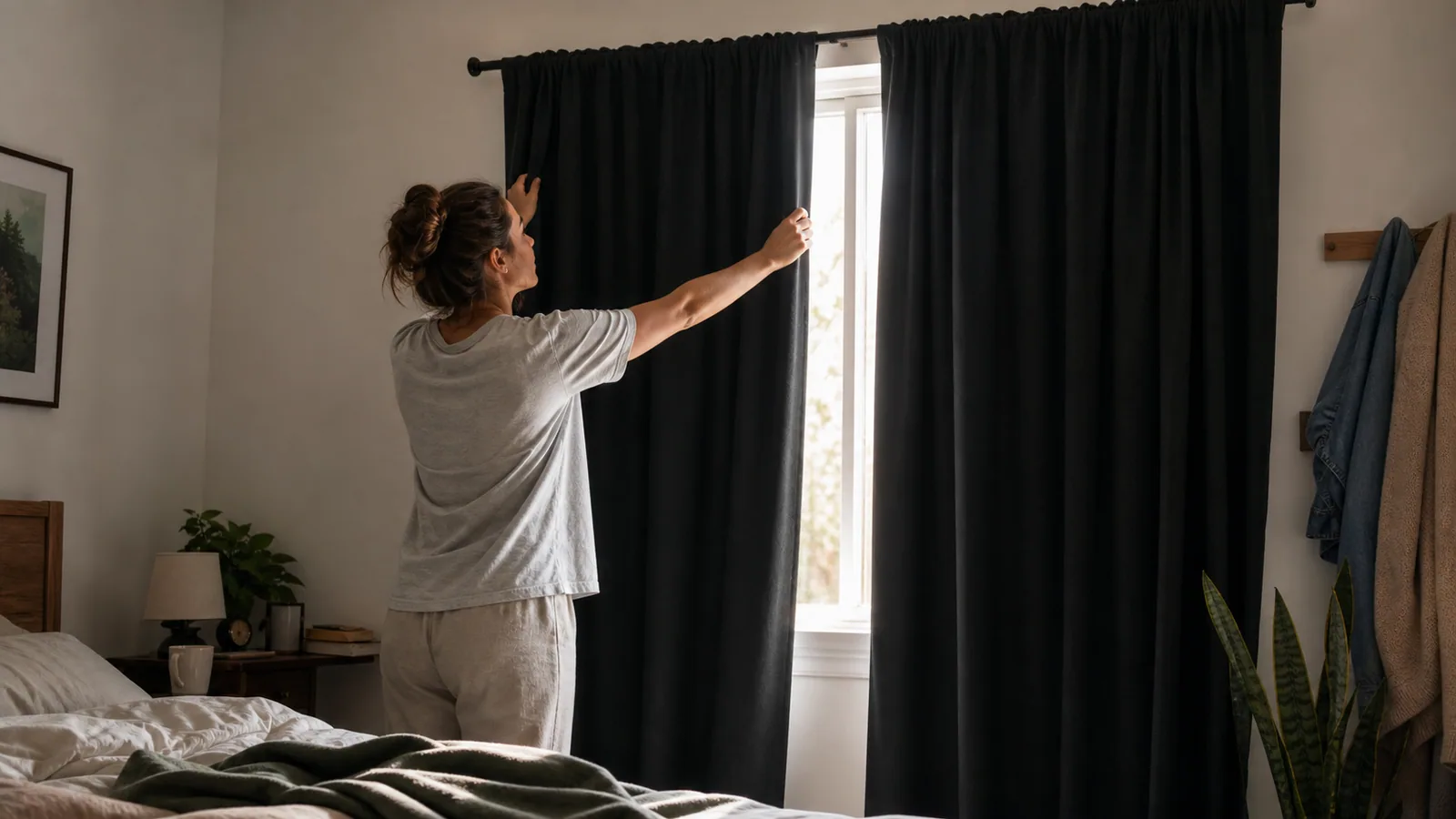
Streetlights shine around the blinds, sunrise hits the room before your alarm, and the lease limits wall changes. The fabric matters, but most real-world leakage happens above, below, and beside the window.
A useful buying decision begins by naming the constraint. Published specifications can tell us what a product supports, but they cannot decide whether its size, upkeep, sound, controls, or workflow fit your household. Use the advice below as a filter, then confirm availability and the latest details with the manufacturer.
Product to compare
IKEA MAJGULL Black-out Curtains
MAJGULL is sold as a blackout pair with a multi-way heading and washable polyester fabric. Measure for generous overlap and verify the exact blackout article, because similarly named room-darkening versions also exist.
Published features that matter
- Pair of 57 × 84 inch panels for the checked variant
- Heading supports several hanging methods
- Machine-washable polyester fabric
Who this fits—and who should keep looking
The strongest case for IKEA MAJGULL Black-out Curtains is not that it is universally “best.” It is that its feature mix lines up with a particular set of routines.
Good fit
- Bedrooms with standard-height windows
- Renters using an existing rod or track
- People willing to hem for a better fit
Tradeoffs
- Light can leak around any curtain
- Fabric may require hemming or steaming
- Tension rods have weight and width limits
If the tradeoff column describes the part of ownership you will notice every day, choose a different class of product. A lower-cost or simpler alternative can be the smarter purchase when it removes maintenance, weight, setup, or features you would not use.
Buying advice before you click
Work through this list with the room, bag, schedule, and people involved in front of you. It is intentionally more practical than a spec comparison.
- Measure beyond the frame on every side. Connect that requirement to a normal week, not an idealized one.
- Confirm rod load limits. Connect that requirement to a normal week, not an idealized one.
- Match the exact blackout product number. Connect that requirement to a normal week, not an idealized one.
- Plan a reversible gap-control method. Connect that requirement to a normal week, not an idealized one.
When two options appear close, favor the one with clearer documentation, accessible consumables or parts, a workable return window, and controls you can explain without reopening the manual. Those details often outlast the excitement of an extra mode.
What not to overpay for
Marketing tends to isolate the largest number and make it feel like the entire product. Be cautious about:
- Buying panels equal to window width.
- Confusing room darkening with blackout.
- Using adhesive hardware on fragile paint without a patch test.
Prices and bundles change, so Pixel & Plug does not publish a “deal” unless there is a reliable process to recheck it. Compare the current total cost, including required accessories and likely replacements, at the moment you buy.
How we reached this recommendation
Pixel & Plug reviewed the manufacturer information linked below, mapped the published features to common household scenarios, and identified ownership tradeoffs. We did not perform hands-on measurements of this product and do not present manufacturer claims as independent findings.
Last checked: August 1, 2026. Specifications, availability, and bundles can change.
Frequently asked questions
How wide should the curtains be?
A combined width around 1.5 to 2 times the rod width usually provides fuller folds and better edge coverage.
Can no-drill rods hold blackout curtains?
Some can, but check the rod rating, wall surface, span, and curtain weight rather than assuming.
What is the easiest way to reduce side gaps?
Extend the rod past the frame and use removable side returns only if the wall finish tolerates them.