Quick verdict
The short answer
Rubbermaid’s Brilliance range centers on clear, leak-resistant containers in plastic and glass formats. The best material depends on carried weight, staining foods, and how often the container moves from freezer to microwave.
Best for: Saucy packed lunches; Stacked refrigerator meal prep; People who want matching container families.
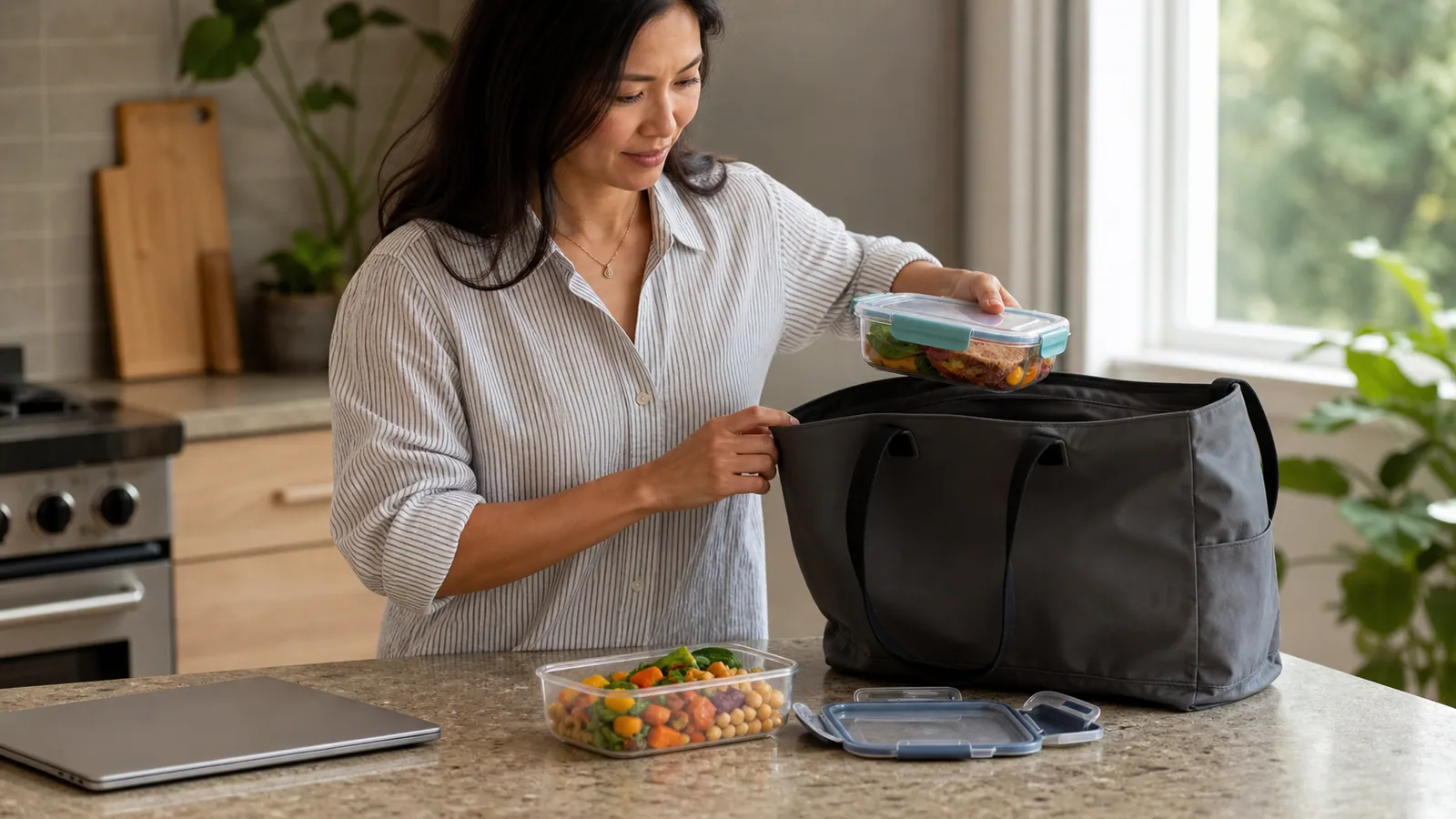
Lunch rides sideways beside a laptop, tomato sauce waits until noon, and the office microwave has a line. The right container should seal confidently, stack without wasting bag space, and have a lid system you can replace or expand.
A useful buying decision begins by naming the constraint. Published specifications can tell us what a product supports, but they cannot decide whether its size, upkeep, sound, controls, or workflow fit your household. Use the advice below as a filter, then confirm availability and the latest details with the manufacturer.
Product to compare
Rubbermaid Brilliance
Rubbermaid’s Brilliance range centers on clear, leak-resistant containers in plastic and glass formats. The best material depends on carried weight, staining foods, and how often the container moves from freezer to microwave.
Published features that matter
- Manufacturer describes the lids as 100% leak-proof
- Plastic and glass options exist in the range
- Multiple shapes and meal-prep formats are offered
Who this fits—and who should keep looking
The strongest case for Rubbermaid Brilliance is not that it is universally “best.” It is that its feature mix lines up with a particular set of routines.
Good fit
- Saucy packed lunches
- Stacked refrigerator meal prep
- People who want matching container families
Tradeoffs
- Glass is heavier in a shoulder bag
- Plastic can show wear over time
- Many small sets create lid clutter
If the tradeoff column describes the part of ownership you will notice every day, choose a different class of product. A lower-cost or simpler alternative can be the smarter purchase when it removes maintenance, weight, setup, or features you would not use.
Buying advice before you click
Work through this list with the room, bag, schedule, and people involved in front of you. It is intentionally more practical than a spec comparison.
- Pack one real lunch before buying multiples. Connect that requirement to a normal week, not an idealized one.
- Choose rectangular shapes for bag efficiency. Connect that requirement to a normal week, not an idealized one.
- Confirm venting and heating instructions. Connect that requirement to a normal week, not an idealized one.
- Count lids as carefully as bases. Connect that requirement to a normal week, not an idealized one.
When two options appear close, favor the one with clearer documentation, accessible consumables or parts, a workable return window, and controls you can explain without reopening the manual. Those details often outlast the excitement of an extra mode.
What not to overpay for
Marketing tends to isolate the largest number and make it feel like the entire product. Be cautious about:
- Closing containers while food is still steaming unless directed.
- Microwaving with sealed vents.
- Buying a giant assortment before confirming favorite sizes.
Prices and bundles change, so Pixel & Plug does not publish a “deal” unless there is a reliable process to recheck it. Compare the current total cost, including required accessories and likely replacements, at the moment you buy.
How we reached this recommendation
Pixel & Plug reviewed the manufacturer information linked below, mapped the published features to common household scenarios, and identified ownership tradeoffs. We did not perform hands-on measurements of this product and do not present manufacturer claims as independent findings.
Last checked: August 1, 2026. Specifications, availability, and bundles can change.
Frequently asked questions
Is glass always better?
Glass resists stains and feels durable, while plastic is lighter for commuting. The routine decides.
How many containers do I need?
Start with enough for two or three lunches, then expand only after the useful sizes become obvious.
Can leak-proof stay leak-proof forever?
Seals wear and require cleaning and inspection; replace damaged lids or gaskets.