Quick verdict
The short answer
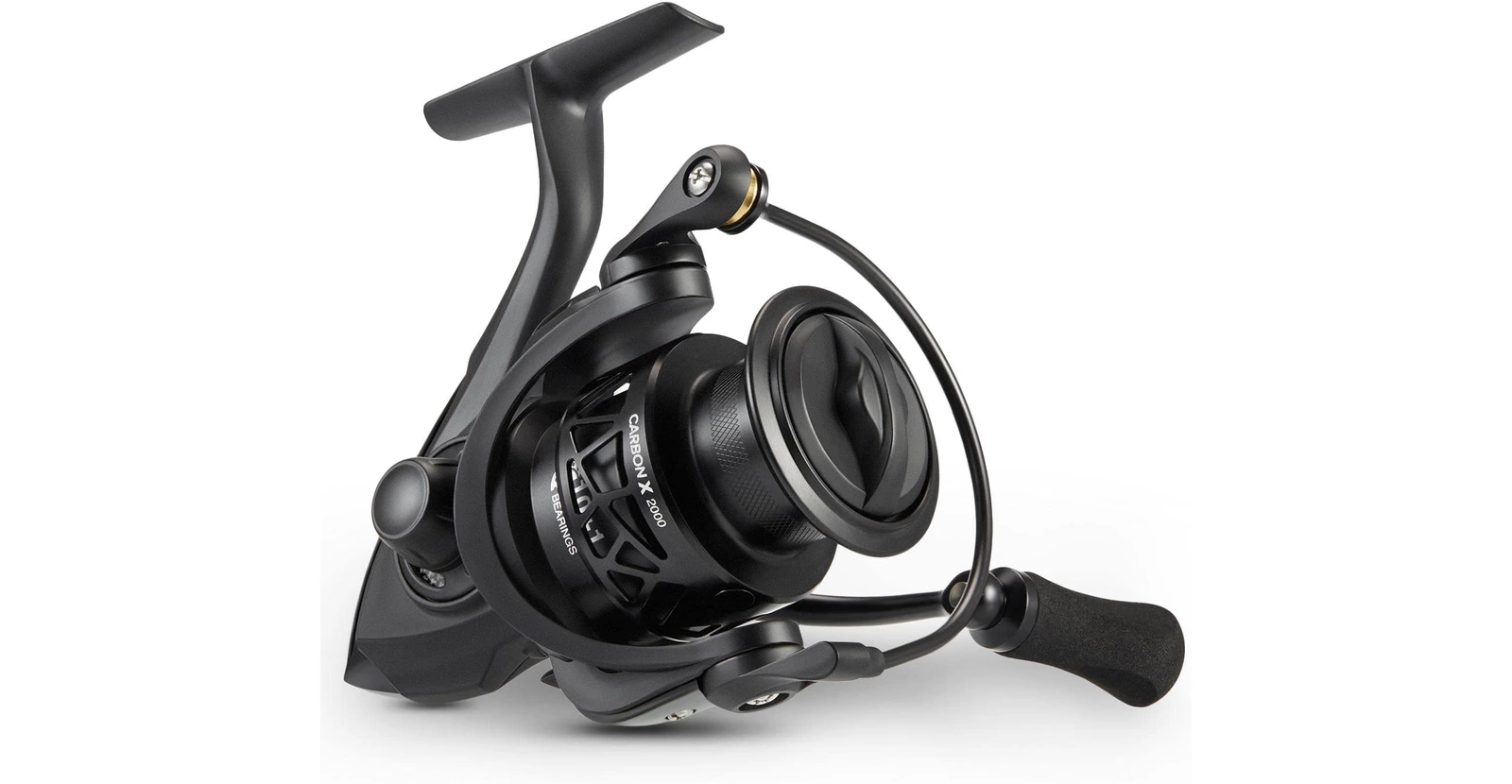
The selected Carbon X 2000 listing pairs a 5.7-ounce carbon-fiber body with a 6.2:1 retrieve and 10+1 shielded bearings. It is attractive for anglers prioritizing low carried weight, but mixed durability and handle-reliability feedback makes a careful inspection and realistic return plan important.
Best for: Freshwater anglers building a light rod-and-reel combination; Frequent casters who notice wrist fatigue; Buyers comfortable inspecting and maintaining reel hardware.
A full day of casting exposes every mismatch between reel, rod, line, and lure. A few ounces matter, but so do handle security, line lay, retrieve feel, and a drag that starts smoothly when a fish turns close to the bank.
A useful buying decision begins by naming the constraint. Published specifications can tell us what a product supports, but they cannot decide whether its size, upkeep, sound, controls, or workflow fit your household. Use the advice below as a filter, then confirm availability and the latest details with the manufacturer.
Product to compare
Piscifun Carbon X 2000 Spinning Reel
The selected Carbon X 2000 listing pairs a 5.7-ounce carbon-fiber body with a 6.2:1 retrieve and 10+1 shielded bearings. It is attractive for anglers prioritizing low carried weight, but mixed durability and handle-reliability feedback makes a careful inspection and realistic return plan important.
Published features that matter
- Selected 2000 Series variant with a listed 5.7-ounce weight
- 6.2:1 gear ratio and ambidextrous handle orientation
- Carbon-fiber body, rotor, and side plate with 10+1 shielded bearings
Who this fits—and who should keep looking
The strongest case for Piscifun Carbon X 2000 Spinning Reel is not that it is universally “best.” It is that its feature mix lines up with a particular set of routines.
Good fit
- Freshwater anglers building a light rod-and-reel combination
- Frequent casters who notice wrist fatigue
- Buyers comfortable inspecting and maintaining reel hardware
Tradeoffs
- Maximum-drag headlines do not describe startup smoothness or long-term durability
- Accessible reviews include handle-loosening and lockup complaints
- The lightest reel is not automatically the best balance for every rod
If the tradeoff column describes the part of ownership you will notice every day, choose a different class of product. A lower-cost or simpler alternative can be the smarter purchase when it removes maintenance, weight, setup, or features you would not use.
What Amazon customer feedback suggests
The accessible Amazon review data is directional rather than a defect-rate study. We used recurring themes to identify practical questions, not to turn customer comments into laboratory claims.
Recurring strengths
- Smooth operation and low weight were strong recurring themes
- Drag feel and overall construction drew substantial positive feedback in the accessible summary
Watch for
- Durability feedback was mixed, including breakage after limited use
- A negative reliability theme included loose parts, handle issues, and occasional lockup reports
Likely purchase impact: High for anglers expecting hard service or remote-trip reliability; moderate for casual freshwater use when the reel can be inspected and returned promptly if needed.
Buying advice before you click
Work through this list with the room, bag, schedule, and people involved in front of you. It is intentionally more practical than a spec comparison.
- Choose reel size around line, lure, and target species. Connect that requirement to a normal week, not an idealized one.
- Check balance with the rod you will actually use. Connect that requirement to a normal week, not an idealized one.
- Inspect the handle, bail, spool, and drag before the return window closes. Connect that requirement to a normal week, not an idealized one.
- Rinse and maintain the reel according to the maker after dirty or salty use. Connect that requirement to a normal week, not an idealized one.
When two options appear close, favor the one with clearer documentation, accessible consumables or parts, a workable return window, and controls you can explain without reopening the manual. Those details often outlast the excitement of an extra mode.
What not to overpay for
Marketing tends to isolate the largest number and make it feel like the entire product. Be cautious about:
- Choosing by maximum drag alone.
- Assuming a carbon body makes every internal part corrosion proof.
- Ignoring a handle that repeatedly loosens under normal use.
Prices and bundles change, so Pixel & Plug does not publish a “deal” unless there is a reliable process to recheck it. Compare the current total cost, including required accessories and likely replacements, at the moment you buy.
How we reached this recommendation
We verified the 2000 Series, Standard Handle variant through an Amazon US API snapshot and the matching live US-English page. Conflicting drag wording across listing fields was not used as a recommendation claim. We did not perform hands-on measurements of this product and do not present seller, manufacturer, or customer claims as independent findings.
Last checked: October 16, 2026. Specifications, prices, availability, ratings, review counts, and bundles can change.
Frequently asked questions
Is the 2000 size the lightest Carbon X?
No. The listing includes several sizes; the checked 2000 Series variant is listed at 5.7 ounces, while other sizes differ in weight, ratio, line capacity, and drag.
Does more bearings always mean a smoother reel?
Bearing count is only one input. Alignment, materials, lubrication, load, and maintenance also affect feel and durability.
Who should choose a heavier reel?
A heavier or larger reel can balance a longer rod better and may provide the line capacity or construction needed for a different target species.